
Storm or water damage at home: what to do before you renovate
By Omar Costa · Updated 2026-09-02
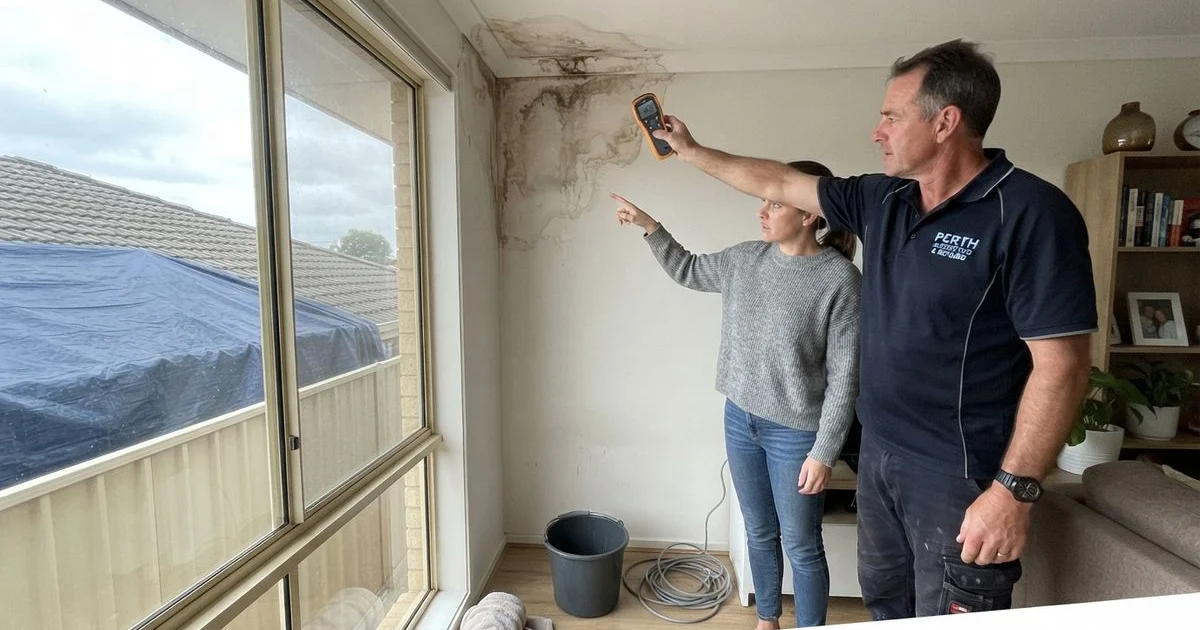
Storm and water damage tends to create pressure to act fast, which is exactly when costly mistakes happen. Getting the order of operations right in the first few days protects both your safety and your insurance claim, before any renovation or repair work begins.
Step 1: make it safe, not perfect
If there’s structural damage, exposed wiring, or water pooling near electrics, prioritise safety over tidiness. A temporary tarp over a damaged roof section, or switching off power to an affected area, is reasonable to prevent further damage. Full repairs can wait until the next steps are done properly.
If you’re at all unsure whether an area is safe to be in, treat it as off-limits until a professional has checked it. Water near a switchboard, a ceiling that’s sagging under the weight of trapped water, or a structure that’s visibly shifted are all situations where waiting for an assessor is safer than trying to manage it yourself.
Step 2: document everything before you touch it
Photograph and, if possible, video the damage from multiple angles before any clean-up or repair starts. This matters more than people expect, since an insurer’s assessment relies heavily on evidence of the damage as it actually occurred, not a description after the fact. Keep receipts for any emergency work (like temporary tarping) as these are often reimbursable as part of a claim.
If items were damaged as well as the structure itself, furniture, flooring, belongings, photograph those too and hold onto damaged items rather than disposing of them straight away, unless they pose a genuine safety risk. Insurers sometimes want to inspect damaged contents directly as part of assessing a claim.
| Step | What to do | Why it matters |
|---|---|---|
| 1. Make it safe | Tarp exposed areas, isolate power if needed | Prevents further damage and injury |
| 2. Document | Photos and video before clean-up | Supports your insurance claim |
| 3. Contact your insurer | Report the claim promptly | Confirms what’s covered and next steps |
| 4. Get an assessment | Have a contractor inspect before repairs | Reveals the real scope, not just the visible damage |
| 5. Get multiple quotes | Compare repair scope and price | Avoids overpaying under time pressure |
Step 3: contact your insurer before committing to repairs
Report the damage to your insurer as early as reasonably possible. Ask directly what’s covered under your specific policy, since storm and impact damage is commonly covered while gradual wear, like long-term timber rot or rust that built up over years, usually isn’t. Your insurer may also want to send their own assessor before major repair work starts, so check this before you commit to anything beyond emergency stabilisation.
Step 4: get a proper assessment before assuming the scope
What looks like a contained problem from the outside, a leaking roof joint, a sagging pergola beam, a water stain on a ceiling, can turn out to involve more once a contractor actually opens things up. A proper assessment tells you whether you’re looking at a straightforward repair or something that’s shifted into a bigger renovation, and it’s worth getting this before you commit to a fixed scope with any contractor.
Watch for pressure tactics
Storms bring out door-knocking contractors offering fast, cheap repairs. Be cautious of anyone pushing you to sign on the spot, asking for full payment upfront, or discouraging you from getting a second opinion. Take the same approach you would for any renovation: check registration, read reviews, and get more than one quote, even under time pressure.
When a repair turns into a renovation
Sometimes what starts as storm damage repair uncovers a bigger problem, water that’s tracked further into the structure than expected, or damage that reveals an older issue like rot or termite activity that predates the storm. If this happens, treat it as its own decision point rather than letting the original repair scope quietly expand. Get a clear explanation of what’s changed, an updated quote in writing, and confirmation from your insurer on what the expanded scope means for your claim before work continues. If the damage is to a home you’re planning to sell rather than keep, renovating before you sell covers which repairs are worth prioritising against a sale timeline.
This is general information, not insurance or legal advice. Confirm coverage and claims requirements directly with your insurer. Once you’re ready to compare contractors, browse this directory and see how listings are scored on the methodology page.
Common questions
- Should I start repairs before contacting my insurer?
- Only what's needed to prevent further damage, like a temporary tarp over a hole in the roof. Hold off on the rest until your insurer has confirmed next steps, since starting major repairs before a claim is assessed can complicate the process.
- Is all storm damage covered by insurance?
- Not automatically. Storm and impact damage is commonly covered, but gradual issues like long-term timber rot or rust usually aren't, since insurers distinguish between sudden damage and wear that built up over time. Check your specific policy.
- How do I know if it's a repair or something bigger?
- A contractor or assessor needs to inspect the affected area to know for sure. What looks like a contained problem, a leaking roof joint or a sagging beam, can turn out to involve the underlying structure once it's properly opened up.
- Are contractors who door-knock after a storm trustworthy?
- Treat unsolicited door-knocking after a storm with caution. Get quotes from contractors you've researched yourself, check registration and reviews, and avoid being pressured into signing anything on the spot.